
 Image 1 of 1
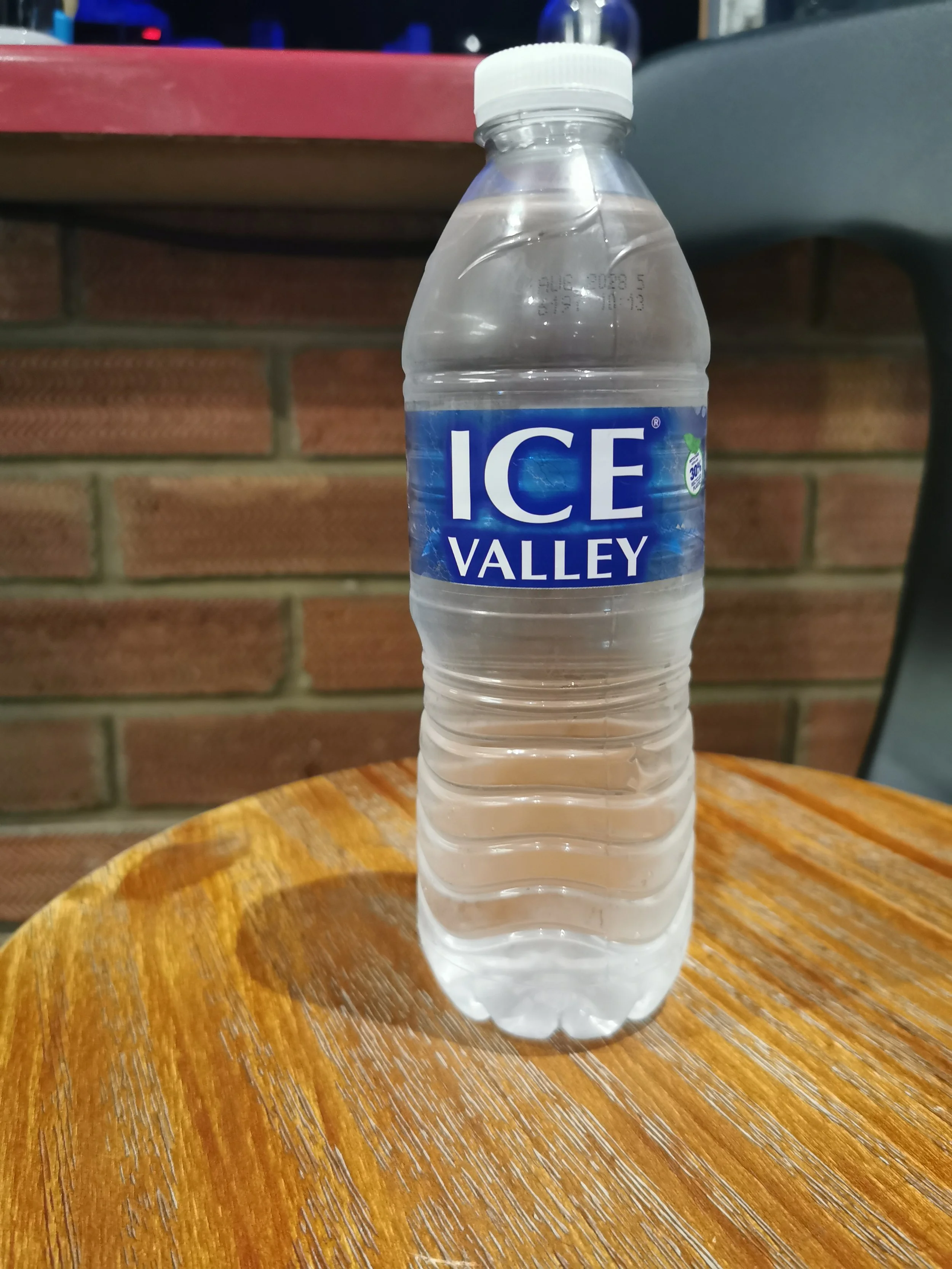
Mineral water is water sourced from natural springs or underground reservoirs that contains dissolved minerals and trace elements. Unlike purified or distilled water, which is treated to remove impurities and minerals, mineral water retains naturally occurring compounds such as calcium, magnesium, potassium, sodium, bicarbonate, sulfate, and sometimes iron or lithium. These minerals can influence taste, mouthfeel, and potential health effects.
Types
Natural mineral water: Collected directly from a spring or borehole without chemical treatment; must maintain its original mineral content.
Sparkling mineral water: Naturally carbonated at the source or carbonated by adding carbon dioxide; offers effervescence and a different sensory profile
Still mineral water: Non-carbonated, smooth and often preferred for drinking, cooking, and making beverages where carbonation would interfere.
Benefits and considerations
Hydration: Mineral water hydrates as effectively as other drinking waters.
Mineral intake: Provides small amounts of dietary minerals—calcium and magnesium are most common—and can contribute to daily intake, though quantities vary by brand and source.
Electrolyte balance: Natural mineral waters with higher mineral content can help replenish electrolytes after mild exercise.
Taste and culinary use: Minerals affect flavor; higher mineral content can produce a fuller, sometimes slightly salty or metallic taste. Chefs may choose specific mineral waters for cooking or beverage preparation based on mineral composition.
Health considerations: For most people, mineral water is safe and healthy. Individuals with kidney disease, hypertension, or those on sodium-restricted diets should check the sodium content. Extremely high mineral concentrations may not be suitable for infants.
Mineral water is water sourced from natural springs or underground reservoirs that contains dissolved minerals and trace elements. Unlike purified or distilled water, which is treated to remove impurities and minerals, mineral water retains naturally occurring compounds such as calcium, magnesium, potassium, sodium, bicarbonate, sulfate, and sometimes iron or lithium. These minerals can influence taste, mouthfeel, and potential health effects.
Types
Natural mineral water: Collected directly from a spring or borehole without chemical treatment; must maintain its original mineral content.
Sparkling mineral water: Naturally carbonated at the source or carbonated by adding carbon dioxide; offers effervescence and a different sensory profile
Still mineral water: Non-carbonated, smooth and often preferred for drinking, cooking, and making beverages where carbonation would interfere.
Benefits and considerations
Hydration: Mineral water hydrates as effectively as other drinking waters.
Mineral intake: Provides small amounts of dietary minerals—calcium and magnesium are most common—and can contribute to daily intake, though quantities vary by brand and source.
Electrolyte balance: Natural mineral waters with higher mineral content can help replenish electrolytes after mild exercise.
Taste and culinary use: Minerals affect flavor; higher mineral content can produce a fuller, sometimes slightly salty or metallic taste. Chefs may choose specific mineral waters for cooking or beverage preparation based on mineral composition.
Health considerations: For most people, mineral water is safe and healthy. Individuals with kidney disease, hypertension, or those on sodium-restricted diets should check the sodium content. Extremely high mineral concentrations may not be suitable for infants.